
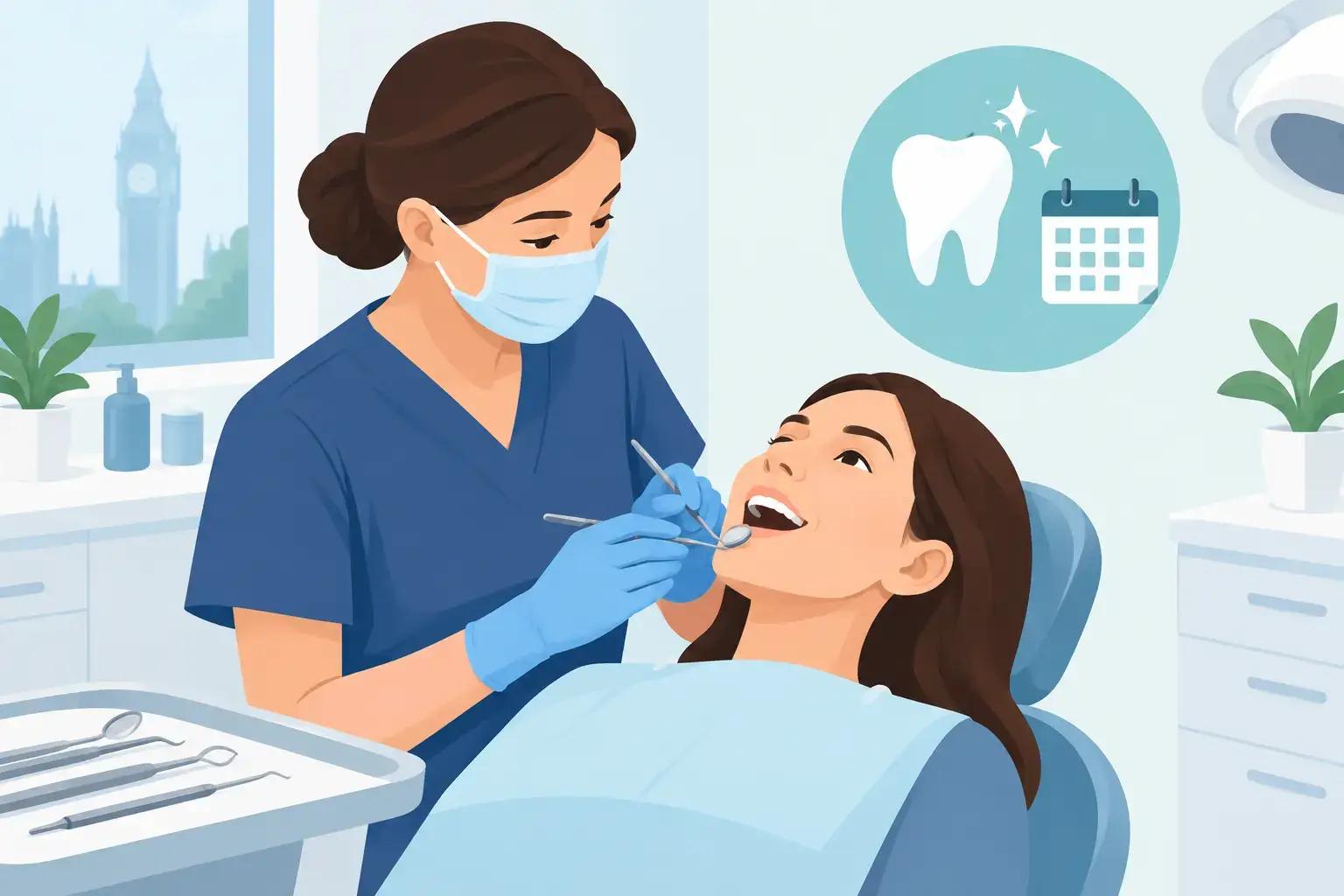
A hygienist appointment is not simply a polish before a special occasion. It is a focused part of protecting your gums, preserving your natural teeth and keeping your smile looking fresh. So, how often should I see a hygienist? For many adults, every six months is a sensible starting point, but the right interval should be tailored to your mouth rather than set by the calendar alone.
How often should I see a hygienist?
Most people benefit from seeing a dental hygienist every three to six months. If your teeth and gums are healthy, you clean effectively at home and there are no particular risk factors, six-monthly hygiene care may be appropriate. Others need more frequent support, often every three or four months, to manage gum inflammation and prevent problems becoming more serious.
Your dentist or hygienist will recommend a recall interval after looking at the health of your gums, the amount of plaque and calculus present, previous dental treatment and how your mouth responds over time. This is not about selling unnecessary appointments. It is about providing the right level of preventive care to help you keep healthy teeth for as long as possible.
A hygiene visit and a routine dental examination have different roles. Your dentist checks the overall health of your teeth, gums, mouth and jaw, while a hygienist concentrates on removing hardened deposits and helping you improve daily plaque control. They are often booked around the same time, but one does not replace the other.
Why your ideal recall interval may differ
Gum disease can be quiet in its early stages. You may not feel pain, yet bleeding, swelling or deepening gum pockets can indicate inflammation that needs attention. Regular professional cleaning removes calculus, also known as tartar, which cannot be brushed away at home and can create a surface where plaque is more likely to build up.
People with a history of gum disease usually benefit from shorter intervals. Once gum disease has been stabilised, ongoing periodontal maintenance is essential. It helps control the bacteria that trigger inflammation and allows your dental team to monitor changes before they threaten the supporting bone around the teeth.
Your risk can also be affected by smoking or vaping, diabetes, pregnancy, certain medications that cause dry mouth, and a tendency to build up calculus quickly. Crowded teeth, fixed braces, bridges, implants and retainers can make cleaning more difficult too. None of these factors means your smile cannot remain healthy, but they may make a three or four-monthly appointment more suitable than waiting six months.
Lifestyle and personal goals matter as well. If you are preparing for a wedding, professional photographs or teeth whitening, a hygiene appointment can provide a clean, healthy foundation. It will not alter the natural shade of your teeth in the way whitening does, but removing surface staining from tea, coffee, red wine or tobacco can make a noticeable difference to brightness.
Healthy gums need more than a scale and polish
A professional clean works best alongside consistent home care. Brushing twice daily with fluoride toothpaste, cleaning between the teeth every day and attending recommended reviews all play a part. The exact interdental brush size, flossing method or electric toothbrush setting that works best for you may be different from someone else’s. A hygienist can show you a practical technique based on your gum health, spacing and any dental work you have.
This personalised guidance is particularly valuable if you find that one area bleeds repeatedly or you struggle around back teeth. Small changes in technique can make daily cleaning more effective without being harsh on your gums.
When to book a hygienist appointment sooner
Do not wait for your next planned visit if your mouth is giving you a reason to seek advice. Bleeding gums are common, but they should not be dismissed as normal. In many cases, they improve with professional cleaning and better plaque removal at home, although they always deserve assessment.
Consider arranging an earlier appointment if you notice:
- bleeding, swollen or tender gums when brushing or eating;
- persistent bad breath or an unpleasant taste;
- new staining or calculus building up behind the lower front teeth;
- gums appearing to recede, or teeth feeling different when you bite; or
- difficulty cleaning around an implant, bridge, retainer or orthodontic appliance.
If you have severe pain, facial swelling, a loose tooth, trauma or bleeding that will not stop, contact a dentist promptly rather than waiting for a routine hygiene visit. A hygienist can support gum health, but urgent symptoms may need a dental diagnosis and treatment first.
What happens at a hygiene appointment?
A good appointment begins with an assessment rather than an automatic clean. Your hygienist will look at your gums, identify areas of bleeding or plaque retention, and discuss anything you have noticed since your last visit. They may record gum measurements where needed, particularly when there is a history or concern of periodontal disease.
Calculus and staining are carefully removed using ultrasonic equipment and hand instruments. The sensation varies: some people find it straightforward, while others have sensitive teeth or gums that require a gentler approach, breaks or local anaesthetic. Let the team know if you are nervous, have had an uncomfortable clean elsewhere or are concerned about sensitivity. Comfort should never be an afterthought.
You will also receive clear advice for maintaining the result at home. For patients with implants, this includes protecting the tissues around them. Natural teeth, restorations and implants all benefit from plaque control, but the tools and technique may differ.
At Avalon Oral Care Centre, hygiene care is planned with the wider goal in mind: healthy gums, preserved natural teeth and a smile that looks naturally well cared for. Where treatment such as whitening, aligners, restorative work or implants is being considered, stable gum health is the starting point.
Can a hygienist help with bad breath and stains?
Often, yes. Bad breath can be linked to plaque bacteria, gum inflammation or debris trapped between teeth, and a hygiene appointment can address these contributing factors. However, persistent bad breath can also have other causes, so it is worth discussing it openly rather than masking it with mouthwash.
Surface stains from food, drinks and tobacco are commonly reduced during professional cleaning. The result depends on the type and depth of staining, as well as the natural colour of your teeth. A hygienist will not make unrealistic promises, but can advise whether a clean alone is likely to give the refreshed appearance you want or whether whitening may be appropriate after a dental assessment.
How to get the most from your regular visits
Bring any concerns to the appointment, even if they seem minor. Mention bleeding, sensitivity, changes in your medical history, new medication and any area that is difficult to clean. This gives your hygienist the information needed to make advice genuinely useful.
Between visits, focus on consistency rather than aggressive brushing. Scrubbing harder can damage gums and wear tooth surfaces, whereas a gentle, thorough method removes plaque more effectively. If your gums bleed when you begin cleaning between the teeth, continue carefully unless your dental professional advises otherwise. Bleeding often improves as inflammation settles, but it should be reviewed if it persists.
The best hygiene interval is the one that keeps your gums stable, supports your routine at home and catches changes early. Booking before a problem becomes painful is a quiet investment in the comfort, confidence and natural beauty of your smile.
