
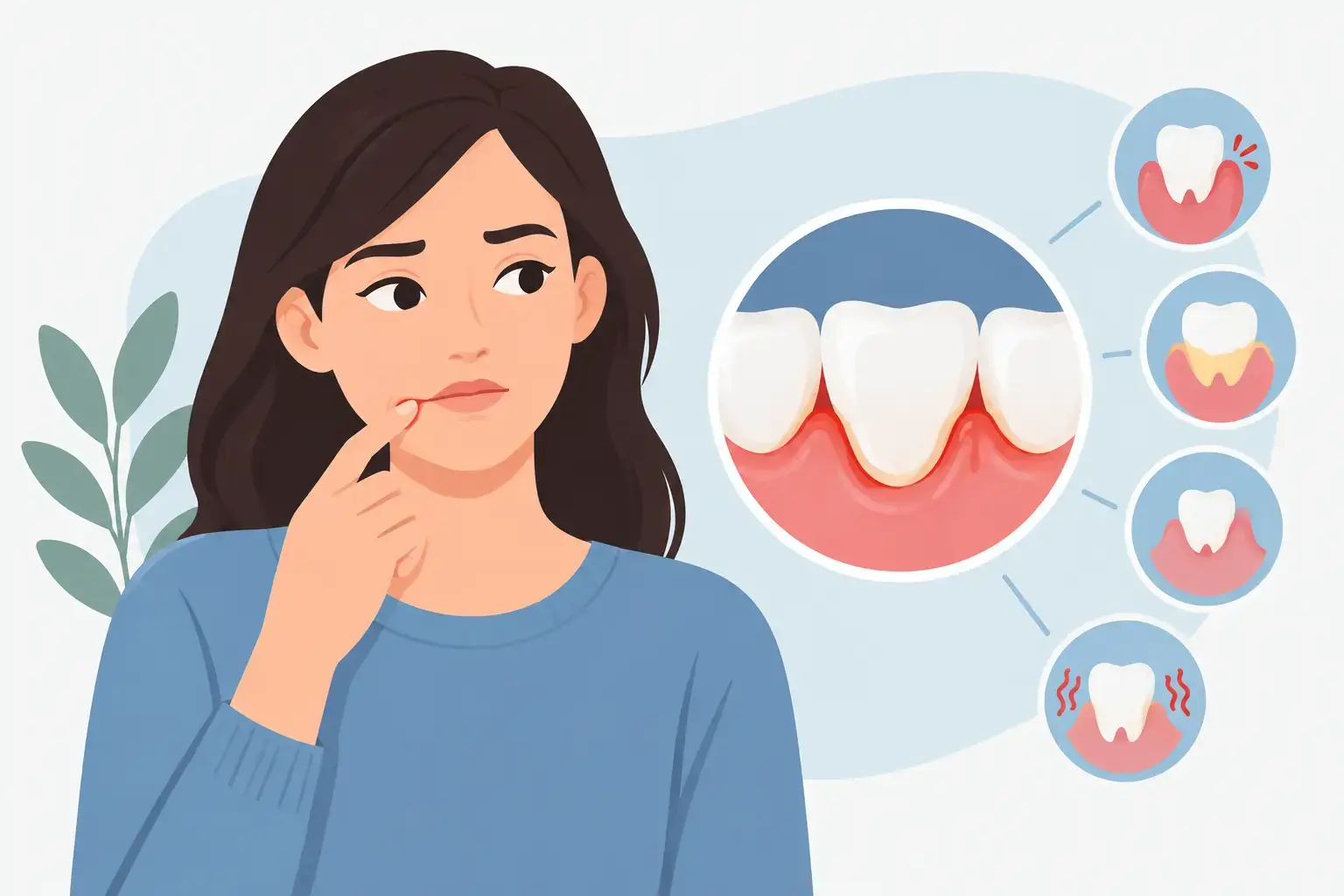
A small smear of pink in the sink after brushing is easy to dismiss, particularly when life is busy. Yet bleeding gums are among the most common early signs of gum disease, and they deserve a calm, timely response rather than a change in brushing routine alone. Gum disease is often painless at first, which is why regular dental and hygiene appointments are so valuable.
The encouraging news is that early gum inflammation can often be treated successfully. With professional care and consistent cleaning at home, it is possible to restore gum health and protect the natural teeth that support a confident, natural-looking smile.
What gum disease means in its early stages
Gum disease begins when plaque, a soft coating of bacteria, is allowed to remain around the gumline. If it is not removed thoroughly, plaque can harden into tartar, which cannot be brushed away at home. The gums react to the bacteria and become inflamed. This early, reversible stage is called gingivitis.
Without treatment, inflammation can progress below the gumline and start to affect the bone and fibres that hold teeth in place. This more advanced form is known as periodontitis. It may lead to receding gums, loose teeth and, in severe cases, tooth loss. The aim is always to identify concerns before this stage, using the least invasive treatment appropriate to your needs.
Gum disease is common, but it should not be accepted as inevitable. It is not simply a consequence of getting older, and it can affect people who brush daily if plaque is repeatedly missed in difficult areas.
Early signs of gum disease to look out for
Healthy gums are usually pale pink or coral in colour, firm to the touch and comfortable when you brush or floss. Changes can be subtle, so notice patterns rather than relying on a single day.
Common early signs of gum disease include:
- Bleeding when brushing, flossing or eating firm foods such as apples
- Gums that look redder, darker, swollen or unusually shiny
- Tenderness around the gumline, even if it is mild
- Persistent bad breath or an unpleasant taste that returns soon after brushing
- Plaque or tartar collecting near the gums or behind the lower front teeth
- A gumline that appears to be changing shape or beginning to recede
- Increased sensitivity, particularly near the neck of a tooth
Bleeding is not caused by brushing too well. More often, it is a sign that the gums are inflamed. Some people respond by avoiding the area that bleeds, but this allows plaque to remain and can make inflammation worse. Gentle, thorough brushing with a soft toothbrush is usually preferable, alongside professional advice tailored to your mouth.
Bad breath also has many possible causes, including dry mouth, diet and some medical conditions. However, if it persists despite careful brushing, cleaning between the teeth and tongue cleaning, it is sensible to arrange an assessment. A dentist or hygienist can check for gum inflammation, tartar deposits, tooth decay and other sources of odour.
Why gum disease can be easy to miss
The early stages do not always hurt. In fact, a person may feel perfectly well while inflammation is developing around several teeth. This can create false reassurance, especially if bleeding only happens occasionally or only when using interdental brushes.
Smoking can make the picture less obvious. Nicotine affects blood flow to the gums, so some smokers experience less visible bleeding despite significant disease. Vaping may also contribute to dry mouth and gum irritation in some people. If you smoke or vape, regular periodontal checks are particularly worthwhile.
Hormonal changes can make gums more reactive too. Puberty, pregnancy, menopause and some forms of hormonal contraception may increase gum tenderness or bleeding in response to plaque. The solution is not aggressive cleaning. It is careful plaque control, regular professional support and advice that takes your wider health into account.
Certain medicines, diabetes, stress, reduced dexterity and mouth breathing can also influence gum health. This does not mean gum disease is unavoidable. It means your preventive plan may need to be more personalised.
When to book a dental appointment
Arrange an appointment if your gums bleed repeatedly for more than a week or two, feel swollen, or if bad breath does not improve with good home care. It is also wise to seek prompt advice if you notice a tooth becoming loose, a new gap between teeth, gum recession, pus around the gumline or pain when biting. These signs may indicate more established periodontal disease or another dental problem requiring treatment.
An examination is straightforward and should not be something to fear. Your dental team will assess the gums around each tooth, check for plaque and tartar, measure any deeper gum pockets where appropriate, and look at how the teeth and bite are functioning. X-rays may be recommended if there is concern about bone levels beneath the gums.
For nervous patients, a gentle explanation of each step can make the experience far more manageable. The purpose of periodontal assessment is not to criticise your routine. It is to understand what is happening and give you a practical route back to a healthier mouth.
What treatment may involve
For gingivitis, treatment commonly starts with a professional hygiene visit to remove hardened deposits and polish areas where plaque collects. You will then receive focused guidance on brushing technique and cleaning between your teeth. Interdental brushes are often very effective, but the right size matters. A brush that is too small may not clean efficiently, while one that is too large can be uncomfortable and difficult to use.
If gum pockets are deeper, treatment may require more detailed cleaning below the gumline over one or more visits. Your clinician may monitor healing carefully and discuss a longer-term maintenance schedule. The frequency depends on your gum condition, risk factors and how your mouth responds, rather than following a one-size-fits-all timetable.
Advanced gum disease cannot always be reversed completely, as lost supporting bone does not simply grow back. Even so, periodontal treatment can stabilise the condition, reduce inflammation and help retain natural teeth for as long as possible. In selected cases, further periodontal or restorative care may be discussed to support comfort, function and appearance.
Everyday habits that help protect your gums
A high-quality home routine is essential, but it should be realistic enough to maintain. Brush twice a day for two minutes with fluoride toothpaste, using a soft brush and small movements at the gumline. Clean between your teeth once daily with the method recommended for you, whether that is interdental brushes, floss or another aid. Spit after brushing rather than rinsing immediately, so the fluoride can remain on the teeth.
Technique matters more than pressure. Scrubbing hard can irritate gums and wear tooth surfaces, particularly if you already have recession. An electric toothbrush can be helpful for many adults, especially one with a pressure sensor, but a manual toothbrush used carefully can also be effective.
A balanced diet, good hydration and limiting frequent sugary snacks support both tooth and gum health. If you smoke, stopping is one of the most powerful steps you can take for your gums and general health. Regular examinations and hygiene care then provide the professional oversight that home cleaning cannot replace.
Protecting your natural smile for the long term
Gum health sits at the foundation of every smile, whether your priority is comfortable eating, maintaining family dental health or planning cosmetic treatment such as whitening, aligners or restorative care. Healthy gums frame the teeth naturally and provide the stable support needed for lasting results.
If you have noticed bleeding, swelling or a persistent change in your breath, booking a check-up now can prevent a small concern becoming a more complex one. At Avalon Oral Care Centre, the focus is on considered preventive care, clear advice and preserving healthy natural teeth wherever possible – so you can smile with comfort and confidence.
